Sunday, 21 October 2018

Irish Sea to Wales, England & Scotland - Oct. 10-14, 2018

Sunrise on the Irish Sea as we head back east to Wales and England

Peter Lewis, our Tour Director, and David, the town crier, in Chester

Clock Tower and “The Rows” in Chester - founded as a Roman fortress in the 1st century A.D.
“The Rows” is a sopping district with 2-level covered arcades and Tudor-style half timber buildings.

Liverpool Ferris Wheel next to the Echo Arena on the banks of the Mersey River


View of Liverpool from the Ferris Wheel
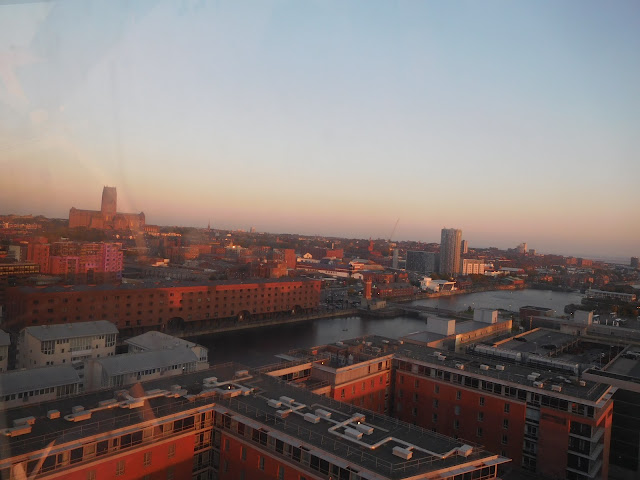
Mersey River from the Ferris Wheel

Evening stroll in Liverpool

Beatles memorial along the Mersey

Rainy day for our Lake Windermere cruise in England

Lovely scenery in spite of the rain

Hadrian's Wall near Lanercost, England 


Lanercost Priory 12th century

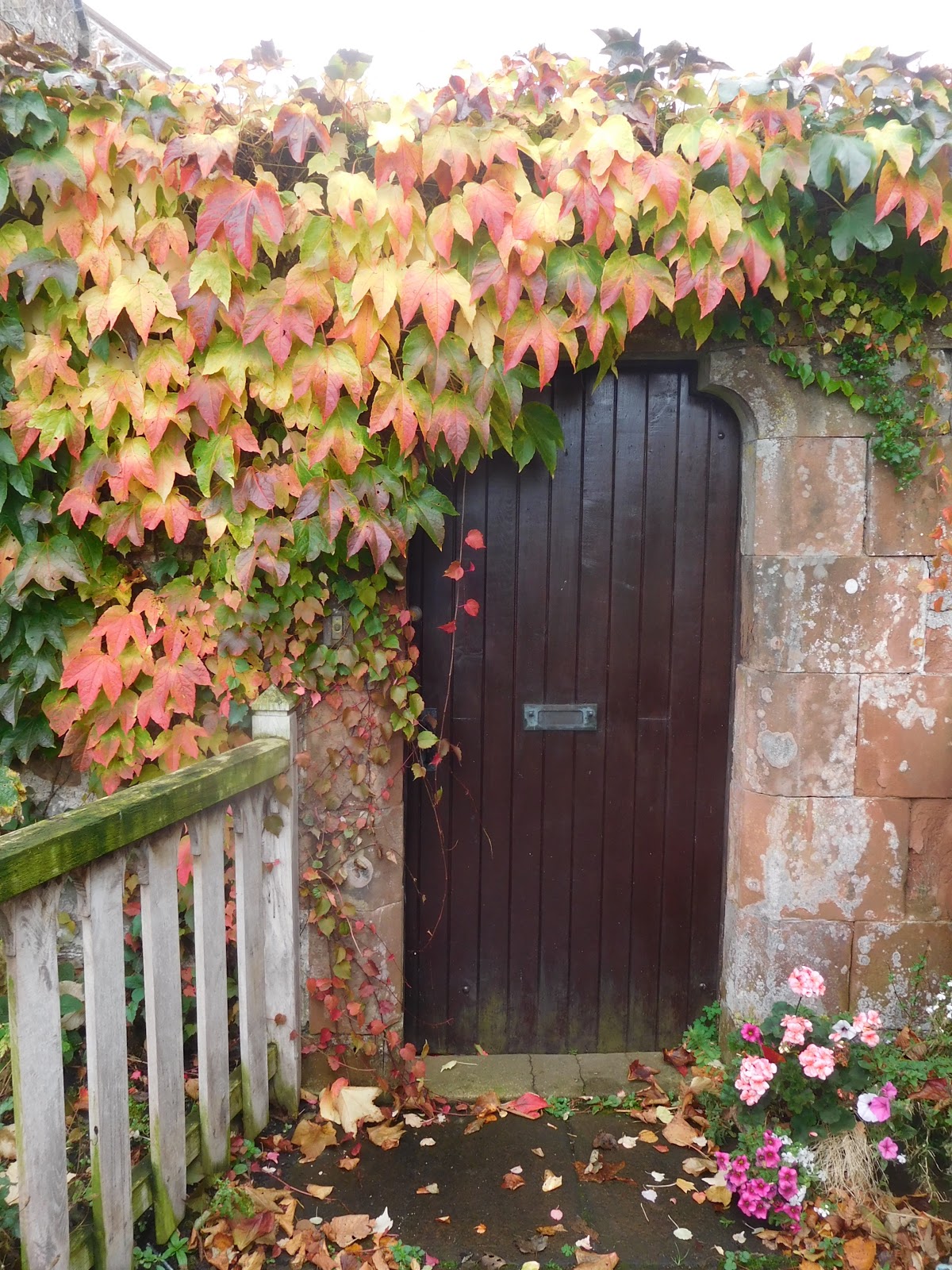
Beautiful colored leaves on a doorway at the Priory

Flag of Scotland

Greta Green Scotland

Square in Glasgow on a rainy day

Bridge near our hotel in Glasgow

Glencoe in the Scottish Highlands


 Touring the Isle of Skye in the Inner Hebrides

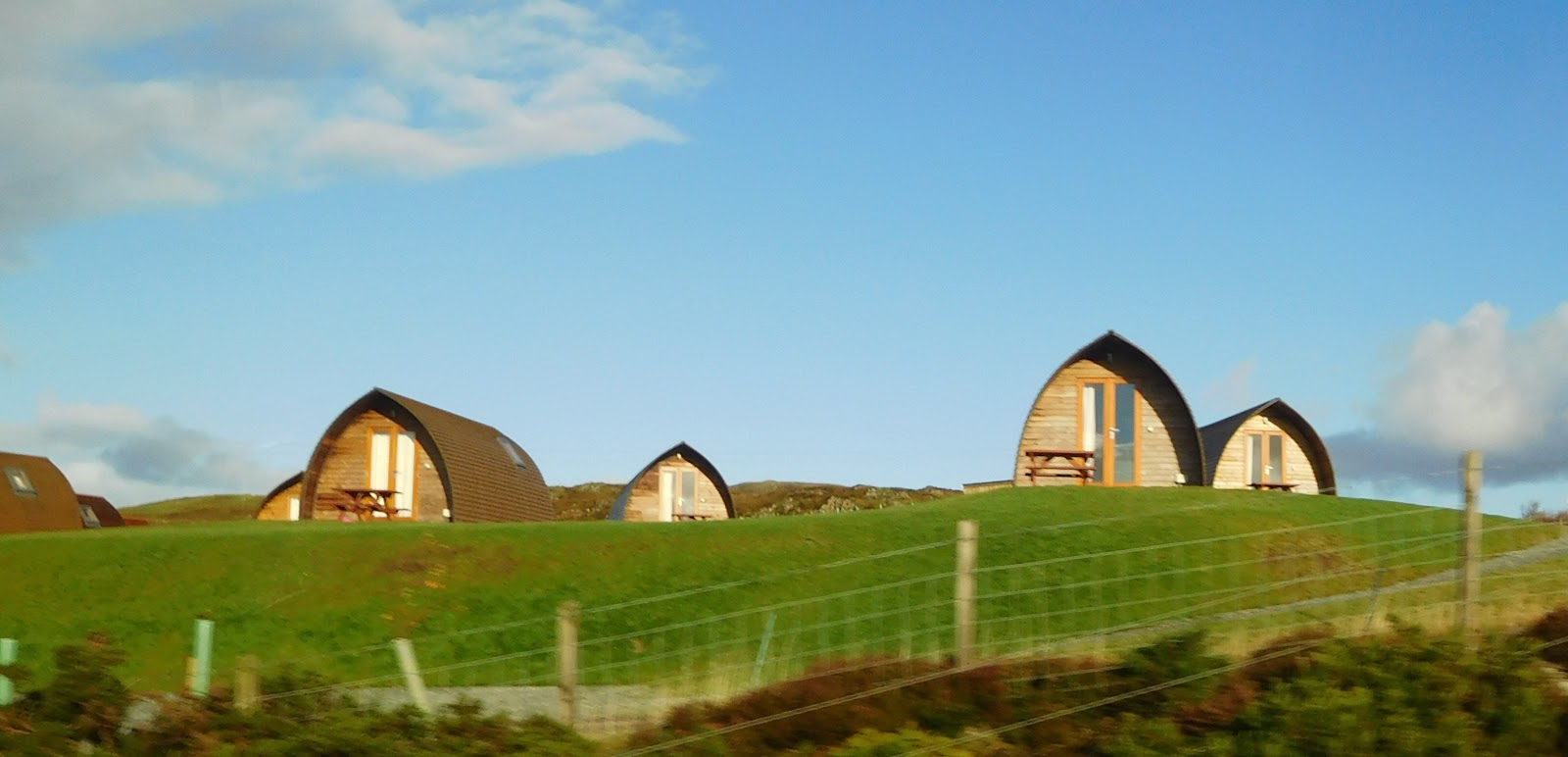
 Neat little cabins to rent on the Isle of Skye
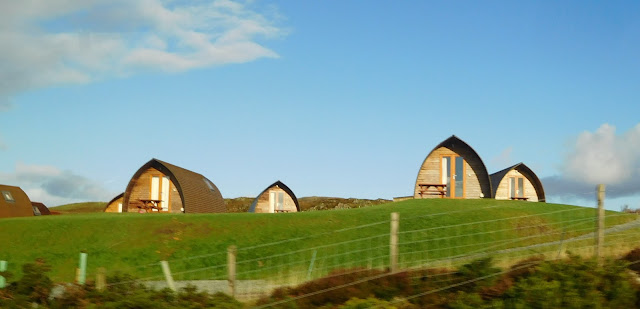
We didn't see a rainbow in Ireland but we saw two on the Isle of Skye


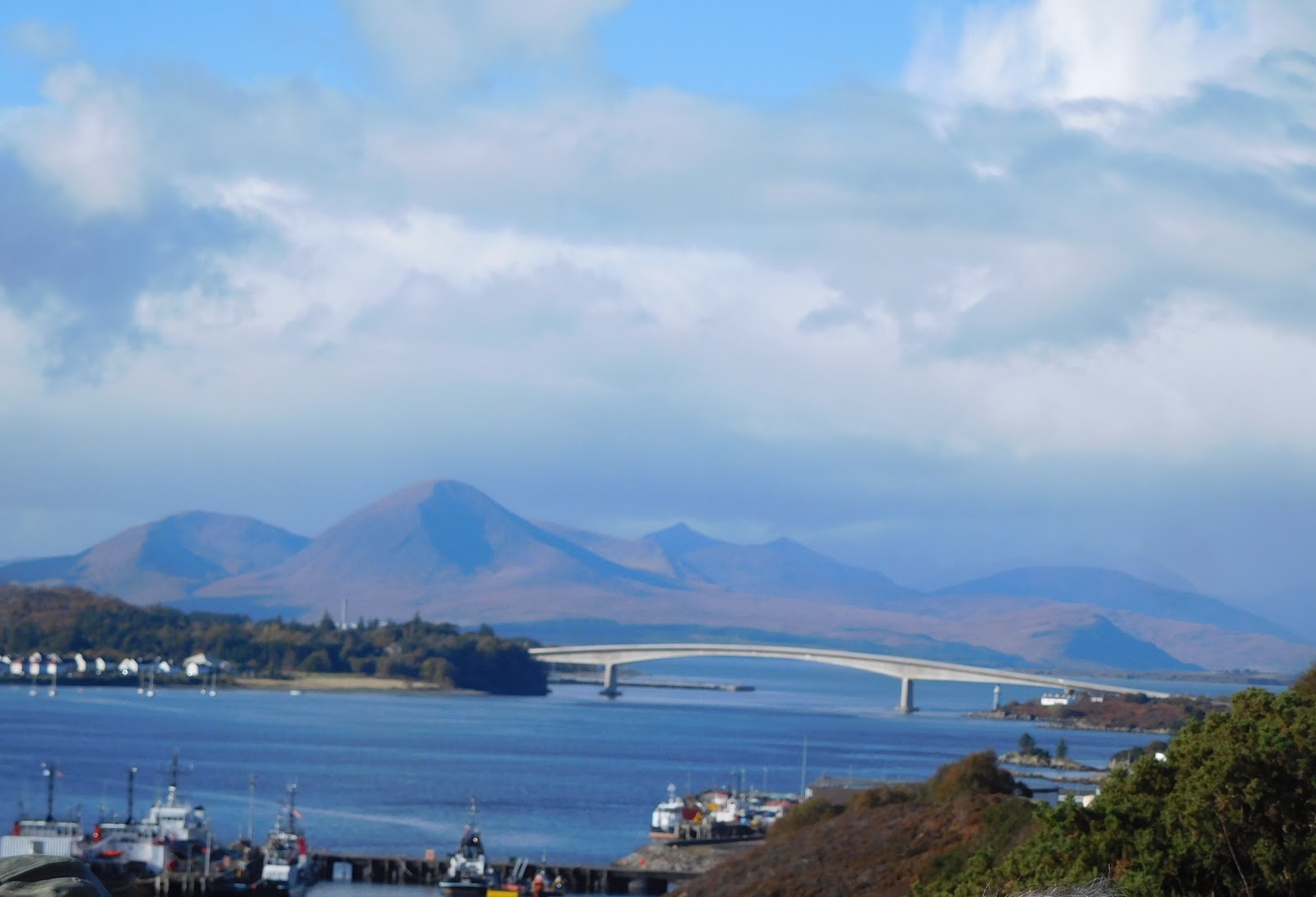
Portree Village in the Isle of Skye

Leaving the Isle of Skye
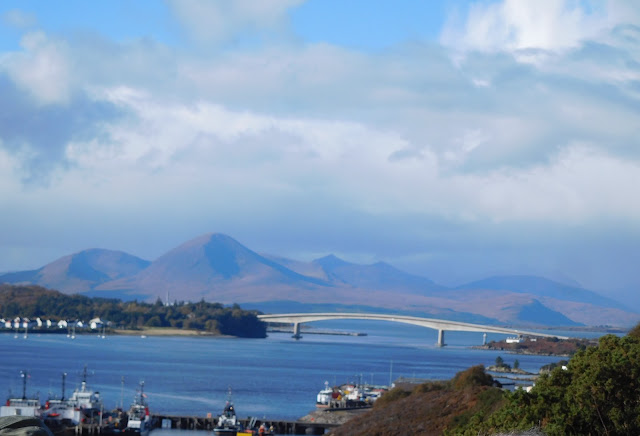
Eilean Donan - said to be the most beautiful castle in Scotland


The old ladies with Nessie

Beautiful, clear, COLD Loch Ness

Back East of the Irish Sea

We're in the Scottish highlands today, heading for Edinburgh tomorrow.  But here's what we've been doing:

On Wednesday we left Ireland aboard the huge car ferry Ulysses and arrived in Holyhead, Wales.  We enjoyed the pretty ride along the Irish Sea to the English border.  We visited the lovely ancient walled city of Chester, founded by the Romans between 70-80 A.D.  There were poor feelings between Chester residents and any person from Wales, just across the border; it was so bad that a Welshman could be killed if they remained in Chester after dark.  And a beautiful clock tower was built in Chester with lovely-faced clocks on the 3 sides but the West side (toward Wales) is blank.  Peter, our tour director, is a Welshman, so we all keep an eye on him.  Town criers have called the news since 1050, and we were entertained by David upon our arrival.  An unusual feature here is what we'd now call a shopping mall, called 'Rows' which have store fronts and a walkway on the second floors above the main street's store fronts.  We drive on to Liverpool, where Anne and I ride a Ferris wheel outside our hotel.  This was my first ride since my kid brother Tommy made me cry when he starting our car swinging while we were stopped at the top.  It still scares me.

Thursday morning we join Paula for a tour of Liverpool.  We saw a large Chinese community behind the ornate Dragon Gate.  Liverpool surprised us with lovely old buildings even though 80% of the city was decimated during WWII, especially docks, factories, train lines.  We walked along Penny Lane.  Paula had chatted with both Paul and Ringo in the past.  Paul patted her on her head at her graduation, and she sat on Ringo's knee. Sir Paul McCartney co-founded the Liverpool Institute for Performing Arts in 1996.  Did I mention that we see mostly row townhouses when we are in the cities.  We generally see individual homes in small towns.  We travel to the largest lake in Britain, Windemere.  It is raining, so we take a boat ride and see some of the beautiful Pennine mountains.  We see Hardwick sheep which are born black and turn white as they age.

In Scotland we visit the marriage anvil of Gretna Green on Friday, where couples could elope and be married by the blacksmith.  Around 122 AD, Hadrian's Wall was built over 7 years, 80 Roman miles or 73.5 British miles long, from coast to coast.  Some say it was built to keep the barbarians from the north out.  But Hadrian had to find work for his 2nd, 6th and 20th legions, so they built the wall.  It was 21' maximum height, and 9' wide.  On the north side they built a ditch as a deterrent, and a Roman road was built along the south side.  They built castles and turrets at specific intervals.  After the fall of Rome, the wall remained; but stones were taken by farmers and builders for their own use.  We see some buildings built from those rocks.  We see many tartan of various clans.  Tartans are weaves, and Peter tells us the oldest tartan in Britain is Welsh.  But the oldest tartan in the world is Chinese.  The colors were derived from plants and roots.   The modern kilt was made around 1720.  Most of Peter's jokes are too long to share, but here's a good one.  What's the difference between an onion and a bagpipe?  No one cries when a bagpipe is cut up...   We arrive in Glasglow, founded in the 7th century, in the pouring rain so we don't go wandering.  
100% chance of rain this day, Saturday.  As we travel along the Loch Lomond, we listen to a rendition of a song I slightly remembered; 'You'll take the high road, I'll take the low road' is a tale either about a cruel British game upon two soldier brothers or a soldier and his woman during the Jacobite uprising during 1745.  Either way, the singer is not returning to Loch Lomond alive.  So sad a story.  I don't know where I would've learned those few bars.  This loch is between gorgeous monroes, mountains over 3000'.   We hear about feuds between the Campbells and the MacGregors since the 1400s.  My ears pop as we now drive up into the highlands.  Highlanders were generally Catholic, loyal to the house of Stewart.  The lowlanders are Presbyterians,  loyal to the Crown.  We learn of the 1692 treachery and massacre of Glencoe when King William ordered Captain Robert Campbell to kill MacDonalds.  Then, WOW, we're in the highlands in beautiful Glencoe.  Anne and I go into a shop and talk with the shopkeeper from Mexico with a Filipino mother and a Mexican father.  It's amazing how people travel this earth.  Then we eat lunch in a Chinese restaurant, and those are everywhere.  We couldn't see Ben Nevis mountaintop (4000') because of cloud cover.  We see Neptune's staircase, part of the Caledonia Canal between the Irish Sea and the North Sea.  We spend the night on Isle if Skye.

Today at breakfast, haggis is served in a big pot.  We taste it.  It's not bad, but we don't take a bowlful.  It's cooler today, and we learn the temperature and weather doesn't change much from season to season.  We tour with Katrina today around a bit of the 350 miles of craggy coastline of the small island of Skye.  It's a clear day, so we see water, mountains, waterfalls and rugged terrain around us.  Large Norwegian companies farm salmon here.  We learn Irish monks arrived here in the 6th century.  The Vikings ruled Scotland for 500 years until 1263.  Rowan trees are planted near most houses to ward off evil.  Gaelic is taught is primary school.  There's a quick rainbow.   We see Heilan Coo (hairy cows), a Highland cattle breed.  We walk the sacred ground of Culloden where Bonnie Prince Charlie's Jacobite Scottish troops were defeated by Redcoat Scots in the uprising of 1746.  After the defeat and slaughter,  drums, bagpipes, tartans, anything Scottish Highlander was illegal.   More British government brutality.  We learn a Firth is where fresh and salt water meet (brackish water).  Tomorrow we'll be leaving the highlands; and as Peter tells us, it's all downhill from here.

Peter is worried about his family in Wales.  They've taken a battering from storms the last couple days.  We wish them well.  And we wish you all well, too.  This tour is over Friday morning, when we fly to Krakow to visit Thom for a couple days.  I hope to write again before we leave the UK.

A & M

Dublin & Glendalough - Oct. 8-9, 2018

Dublin, capital of the Republic of Ireland & home of Guinness beer & world records
Tour of the Guinness facilities and a free beer!
One of my favorite sites in the Republic of Ireland - a 45 minute drive from Dublin in the Wicklow Mountains.   Glendalough comes from the Vikings and means  land of two lakes

Entrance to the medieval monastic settlement founded by St Kevin in 6th century in Glendalough

Round or bell tower used to summon the monks to prayer built sometime between 900 and 1200

View of the bell tower from the ruins of the church

 Very serene place

Beautiful valley on the road to Glendalough


Northern Ireland - Derry/Londonderry & Belfast - Oct. 6 & 7, 2018

We are in Northern Ireland (part of the United Kingdom) - this is one of the four gates in the inner city of Derry/Londonderry - a walled city

View of Derry/Londonderry from the walkway around the wall

View of the wall with cannons - built in 1618 as a defense for early 17th century settlers


St. Augustine Church entrance from the walkway of the wall (1872)

City Hall of Derry/Londonderry

Queen Victoria statue in city hall - her hands were shot off during the Troubles of Ireland (unrest between Catholics and Protestants)

Going down to the Giant's Causeway in Northern Ireland

Giant's Causeway is an area of ​​about 40,000 basalt columns, the result of an ancient volcanic eruption

Beautiful area

Peace Wall in Belfast separating the Catholic area from Protestant

The Titanic Museum in Belfast shaped in the shape of a star to represent the building company, White Star Line

Site of the building of the Titanic - the hull sat on this frame until it was read to launch


Saturday, 13 October 2018

Knock, Sligo, Donegal - October 6, 2018

Shrine built at St  Mary's church in Knock, to commemorate the apparition of Our Lady, St. Joseph, & St. John the Evangelist on August 21, 1879

Celtic cross erected where Pope John II celebrated mass in September, 1979

 Site of the Hedgerow Church where Catholics celebrated mass in the open air hidden from view to avoid persecution


  Town of Sligo on the Garavogue River where it meets Sligo Bay


  Our scenery on our drive to Donegal


View of Donegal Bay while having dinner


Rep. of Ireland: Ring of Kerry, Adare, Cliffs of Moher, Limerick -Oct. 4 - 6, 2018

Ladies View on the Ring of Kerry - 125 mile circular route around the Iveragh Peninsula in County Kerry in South Western Ireland

Rained all day on our drive around the Ring of Kerry - this was the only area we were able to see 😩

Trinitarian Abbey in Adare, a Norman founded town

Actual washing stones in Adare where women would socialize while laundering
   
      Maddy by the 14th century dovecote at the Trinitarian Abbey

Inside the dovecote - Dome shaped roof has a circular opening which permitted access for pigeons and provided a source of food for the abbey

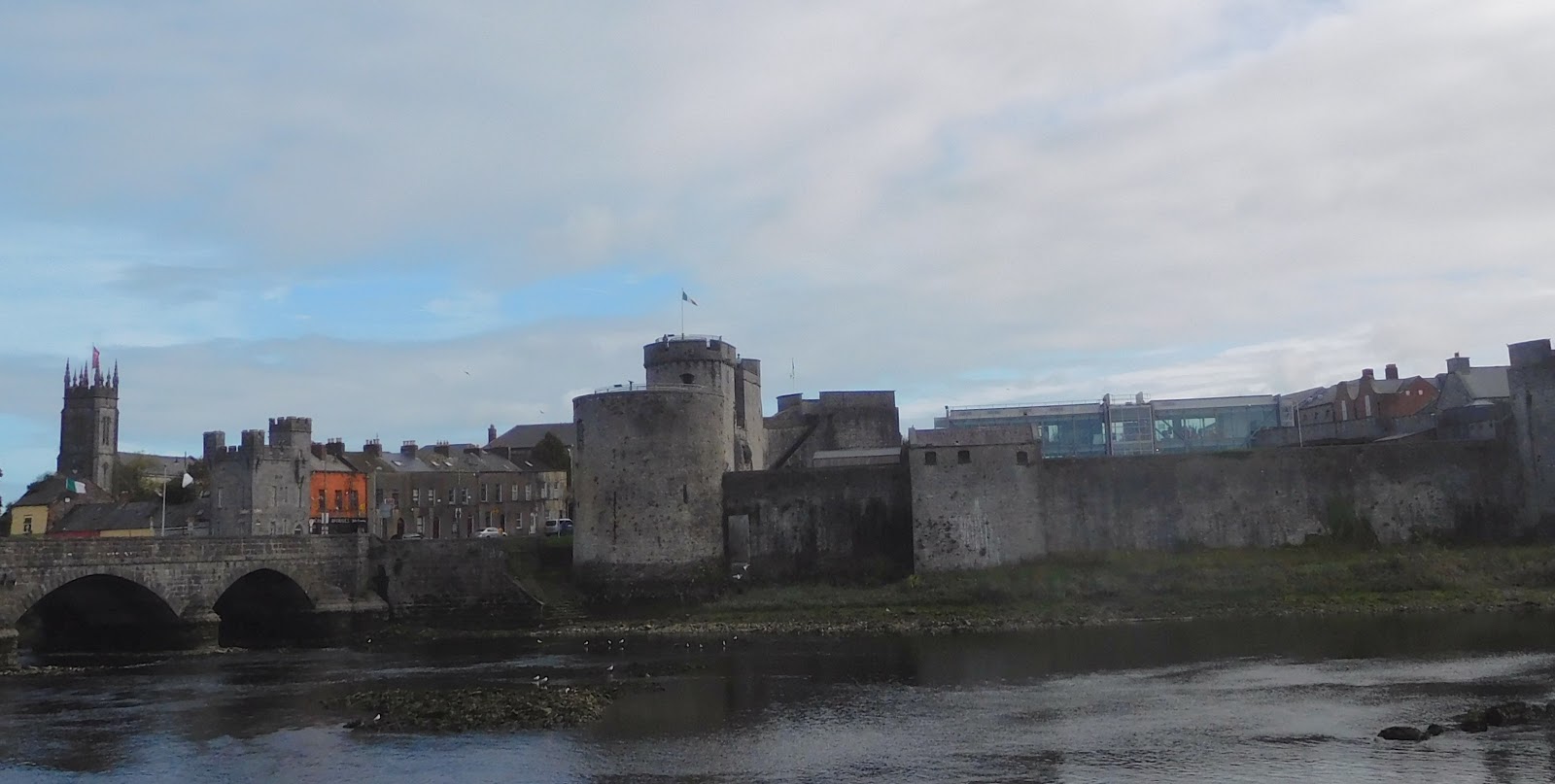
King John's Castle 13th century on the River Shannon 

Treaty of Limerick signed on this limestone in 1691 marking the surrender of the city to William of Orange

Cliffs of Moher

Lookout view for the Cliffs of Moher


Republic of Ireland: Blarney Castle, Oct. 2 & 3, 2018

The ferry we took from Wales to the Republic of Ireland

We left from Pembroke Docks in Wales & ferried into St. George’s Channel Bay & Celtic Sea

Welcome to the Republic of Ireland
Flag: Green represents Catholics, white for peace, orange represents Protestants


Blarney Castle


Beautiful gardens around the castle